


Andy Piller: "70,000 Tons of Metal is a Global Family and Colombia Has a Very Special Place in It"
The founder and CEO of the world's biggest heavy metal cruise talks about Colombian bands, international audiences, and his desire to see even more Colombians on board.
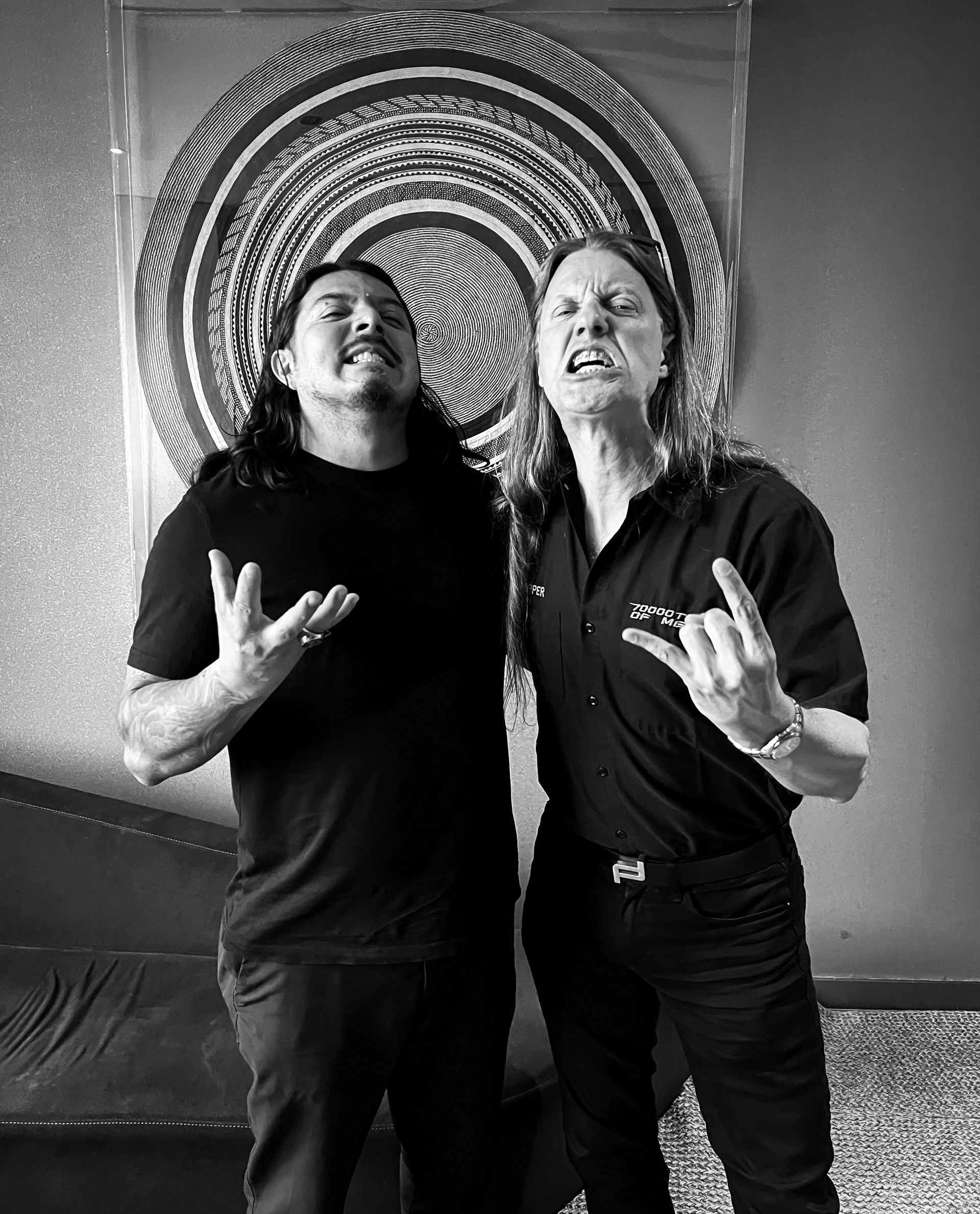
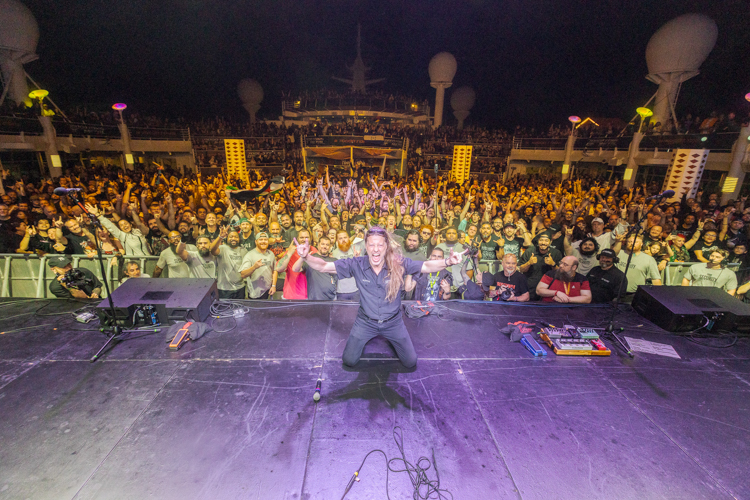
Andy Piller isn’t just the mastermind behind one of the most unusual festivals on Earth — he’s a visionary who turned a wild idea into a global phenomenon. For over a decade, his project 70,000 Tons of Metal has transformed a cruise ship into a floating metal paradise, hosting over 60 bands, thousands of fans, and a rare atmosphere of equality and connection.
In this conversation with Khris Forero (Director Editor for Rockaxis Colombia), Piller talks about the connection with Colombian bands and fans, a country he considers a very special part of his global metal family.
Khris Forero (K): Andy, let’s get straight to the point. I want to talk about Colombian bands on the cruise. I recently saw a list that honestly surprised me: Masacre, Koyi K Utho, WitchTrap, Tenebratum… even Thy Antichrist, which has roots in both Colombia and the U.S. I didn’t realize the connection was so strong.
Andy Piller (AP): Yeah, exactly. Thy Antichrist is originally Colombian, though I think they live somewhere in Texas now, or whatever.
K: Yeah, I know Andrés — he’s a really nice guy.
AP: Yeah, he really is, yes, yes.
K: How has the international audience received the Colombian bands that have participated on the cruise?
AP: First of all, thank you very much for having me. It’s always a pleasure. It’s also always a pleasure to come to this beautiful country, with all these nice, friendly people. It always makes me feel at home here. Now, going to your question… first of all, something you probably don’t know is that Colombian guests have always been among the top ten represented countries on board.
K: That makes total sense. Many friends have shown me photos from the cruise; there’s a large Colombian community there, almost like a full team.
AP: There is a very active, very vibrant metal scene in Colombia. I’m always amazed at the amount of talent here. Kind of paying tribute to our very strong Colombian following, but also offering the world stage that 70,000 Tons of Metal is. It always makes me happy to have Colombian bands in the lineup. The reception from our global audience… this year we set a new record: we had people from 81 different nations on board. Sometimes we call 70,000 Tons of Metal “the United Nations of Heavy Metal at Sea.” And it’s such a special atmosphere. Everyone is the same. It doesn’t matter where you come from, what color your passport has, or your skin, or how you look, or your ideas in life… it’s such a great global family.
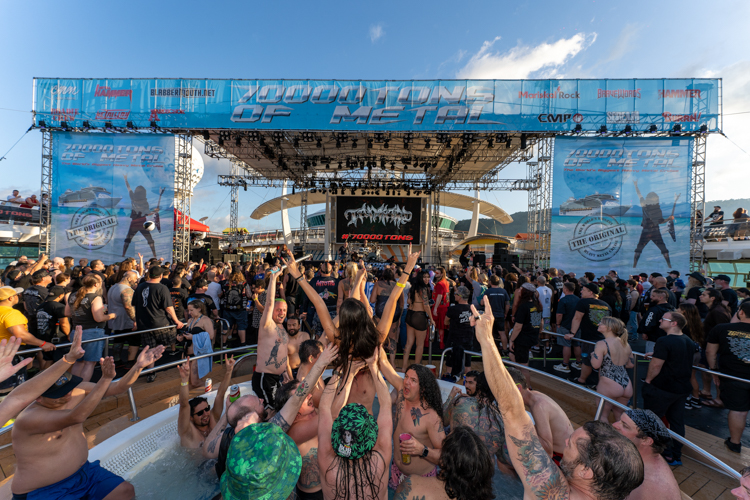
But Colombian bands have always been received very, very well. There’s a small, unofficial thing fans created — like an award for the best unknown band, based on the name of the band Kripper from Germany, which doesn’t exist anymore, after the very first cruise. We never had involvement in that, the fans created it. Some Colombian bands actually won that fan award, like Massacre one year. Not only do we have fans and bands from all over the world on 70,000 Tons of Metal, it’s also a little bit of a small industry gathering: there’s always a huge number of people from record companies, management companies, booking agencies… and many of these smaller bands we give a stage have been kind of discovered on 70,000 Tons of Metal.
K: So this kind of collaboration between the cruise and emerging countries like Colombia helps bands establish contacts with promoters and industry people, right?
AP: Yes, yes, yes. It’s also the special environment, because it’s still kind of a small event, and people are there for five days and four nights and cannot leave. So if you actually meet an industry peer or fans at a normal festival, the next day the bands are gone, or even that evening they have to travel to the next show. On 70,000 Tons of Metal, people are still there the next day, and the day after. It’s a very special environment for networking with record companies, management, and stuff like that.
K: So it’s vacation time… but also business time.
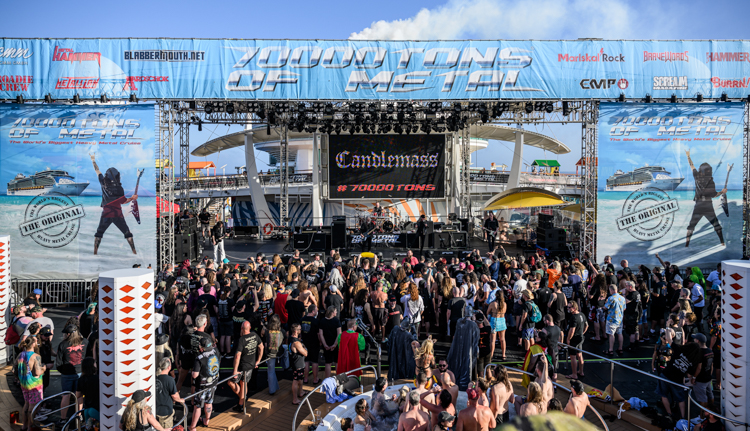
AP: I always say, because we have over 60 bands on board. Each band plays two shows. That’s more than 120 concerts from 10 a.m. to 6 a.m. the next morning. Some people take their party on 70,000 Tons really seriously. They probably need a vacation after their vacation.
K: (laughs) I get it. What plans does the festival have to continue promoting cultural diversity in the lineup, especially with Colombian and Latin American bands?
AP: Look, one of the reasons I want to foster this even further is to pay tribute to our amazing, loyal Colombian following. We live in interesting times… not going too far into politics, but there are people trying to create divisions in the world again, which I think is not how we as metalheads, or humanity in general, should act. So fostering this, bringing the global metal family together, finding new friends from the other end of the world… I really take that to heart.
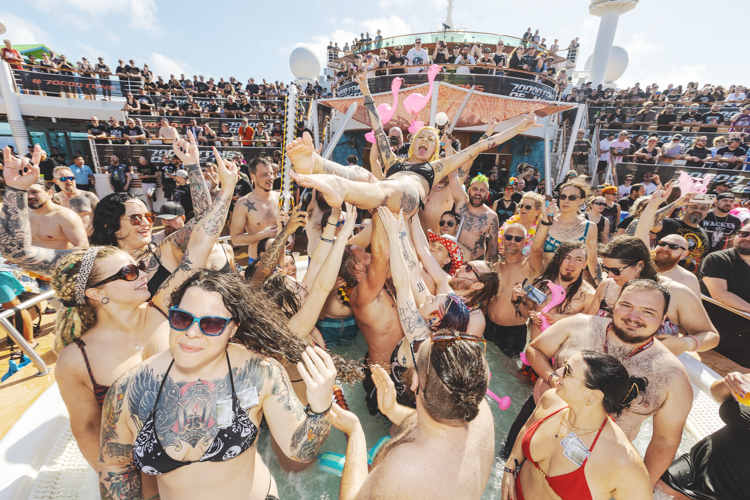
70,000 Tons of Metal is special because we are all the same. Not only does it not matter where you come from, but also the bands and the fans. We have no VIP areas, no backstage. Everybody is the same. When you arrive at the port of Miami, everyone goes through the same entrance, the same security, the same check-in. Once all these people, fans and bands alike, go over the same gangway, something happens in your subconscious. It’s hard to describe; you need to experience it yourself. It’s like mutual respect: people realize, “we’re all in the same boat.”
Because there’s time… in a normal festival, you want a selfie or autograph from your favorite artist, maybe wait hours, and if you’re lucky you get five seconds. On 70,000 Tons of Metal, you have five days. People notice that: fans, but also bands. They roam freely, eat at the same tables as fans, go to the same bars. Many musicians also watch the shows because they are metal fans. I always hear stories: “Oh my God, yesterday I went to the elevator and there was Nergal from Behemoth,” or “sitting next to Joakim from Sabaton.” On 70,000 Tons, you can sit in a jacuzzi and watch Sepultura play.
K: Yes, I haven’t experienced it yet, but I’ve seen many photos and videos. People come back changed. It’s a cultural thing — a level of equality and respect among everyone, including the musicians.
K: Can you share any anecdotes or notable experiences with Colombian bands on the cruise?
AP: Honestly, there are so many, it’s hard to pick one. But I have to say, not just the Colombian bands, the fans are very special, open, warm. Many loyal guests I remember from years ago, maybe Rock al Parque or events in Bogotá or Medellín. And then I see them on 70,000 Tons and think, “Oh my God, I saw you there years ago!”
Some Colombian bands that played on 70,000 Tons I discovered myself here in Colombia. I saw them at festivals like Rock al Parque 10 years ago. I thought: “Why isn’t this band touring the world and selling out stadiums? We need to have them on 70,000 Tons.”
K: Many musicians face the same challenges — jobs, family, obligations… not easy to dedicate yourself fully to music.
AP: Exactly. Many fans think their rock stars are millionaires, but most have day jobs to pay the bills.
K: And touring isn’t always as lucrative as people think.
AP: Correct. Selling albums today almost doesn’t bring money. Now, it’s only touring and merchandising. Touring has also become much more expensive, especially after COVID. But if you really want to follow your dream, go for it — but be smart.
K: How old were you when you organized your first concert?
AP: I was 17. My parents weren’t happy. Then I kept organizing concerts, bigger, and went back to school just to sleep. One day they said: “Either you finish school or university pays for you, or continue with this music bullshit and leave the house.” I said: “Ok, bye-bye.” Tough times. Eventually I became a booking agent, spoke languages…
15 years living on tour buses, working with Canadian bands… ended up in Vancouver. Fell in love with the city. That’s where 70,000 Tons of Metal was born. 18 years ago I saw a cruise ship, thought, “We should charter one for a metal festival.” Friends laughed, I was a bit drunk… but the idea stayed. With my experience in live music, I knew I could do it, even if I didn’t know anything about cruise ships.
K: To close, what advice for Colombian bands wanting to perform on the cruise?
AP: You can always be lucky. Maybe I’m in Colombia, see a band, and they get an email or call. Generally, go to 70000tons.com, we have Spanish website and customer service. Send your material, I eventually listen to it. Every year I pick one or two new bands.
K: It’s good to know you personally pick the bands.
AP: Yes, I assemble the lineup. No headliners: all are equal. Bigger bands play longer shows, better times, but in advertising all logos are the same size, alphabetically listed.
K: Thank you, Andy. This wasn’t just an interview — it was a special moment.
AP: Thank you. 70,000 Tons of Metal isn’t ordinary. It only works thanks to people spreading the word. I hope to see even more Colombian bands and fans on board. Colombia has unique energy and will always have a special place in this global metal family.
Version en Español de esta entrevista click AQUI

Tags

Ultimos Contenidos
Colombia
Noticias
El metal más oscuro de luto: Falleció Conrad 'Cronos' Lant
Jueves, 01 de Octubre de 2026
Colombia
Noticias
P.O.D. lanza nuevo single
Jueves, 01 de Octubre de 2026
Colombia
Noticias
David Sylvian anuncia su primer disco en más de una década
Miércoles, 30 de Septiembre de 2026
Colombia
Noticias
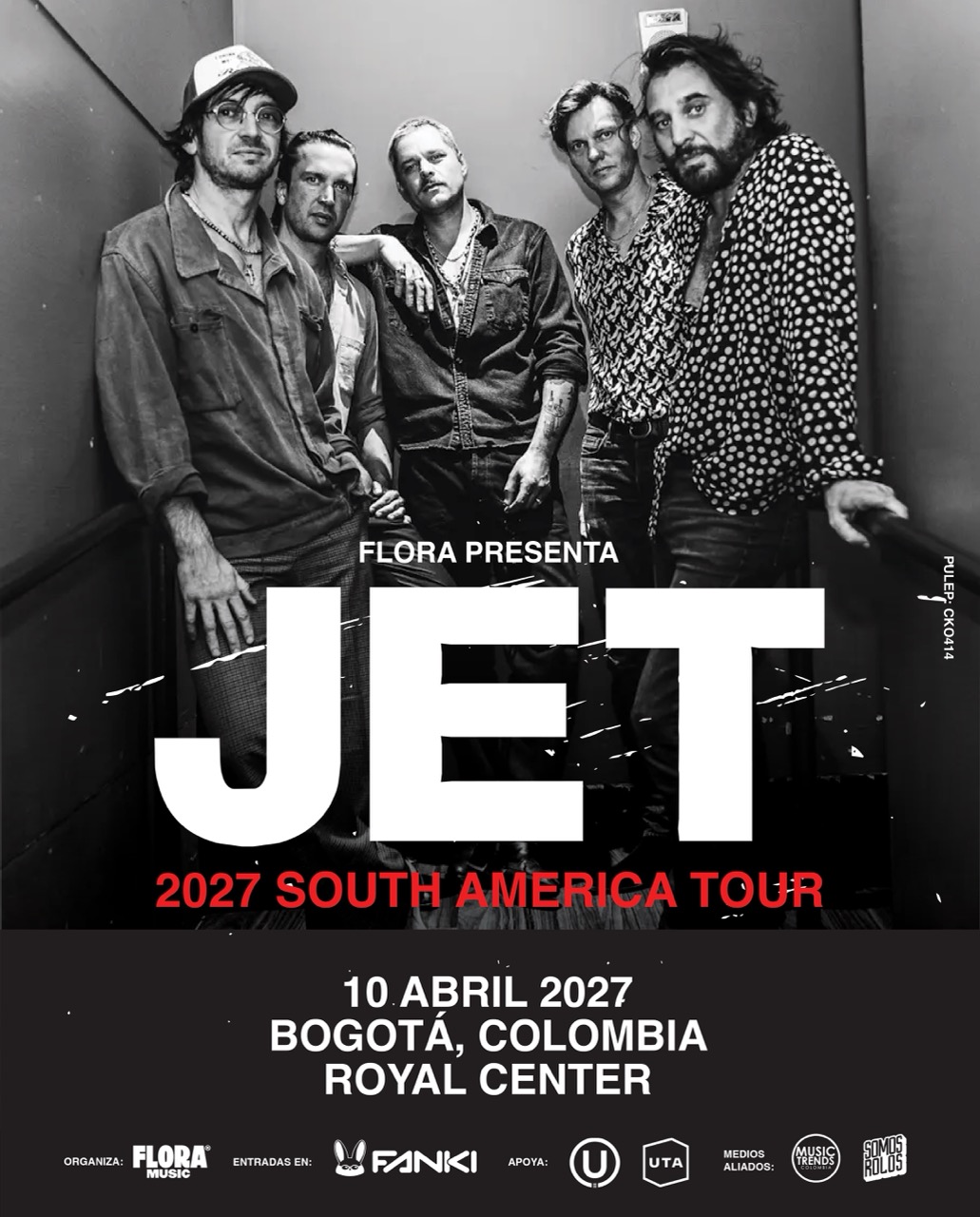
Jet confirma su primer concierto en Colombia para repasar los himnos de toda una generación
Miércoles, 30 de Septiembre de 2026
Colombia
Noticias
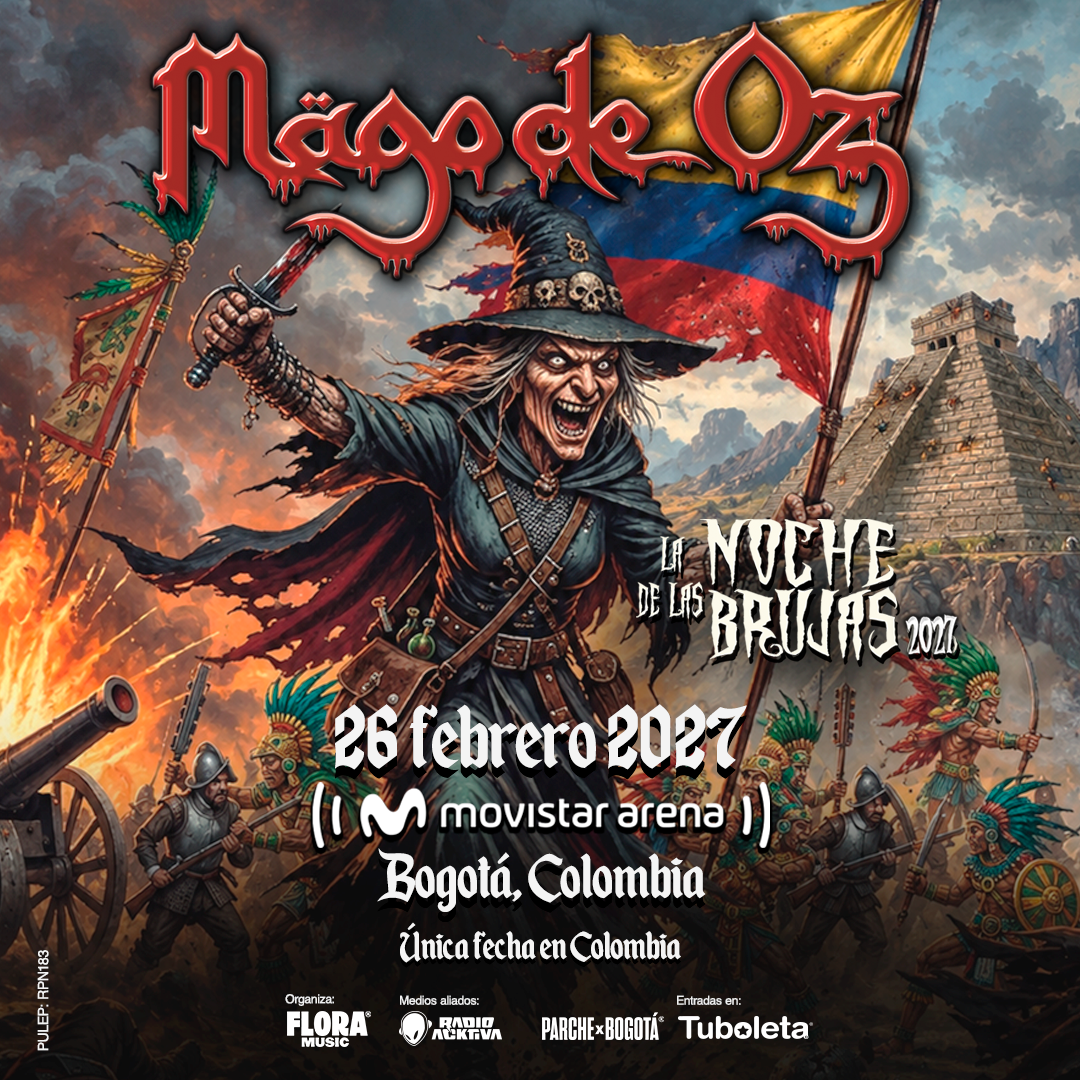
Mägo de Oz convoca a su gran aquelarre en Bogotá tras su nominación al Latin Grammy
Miércoles, 30 de Septiembre de 2026
Colombia
Noticias
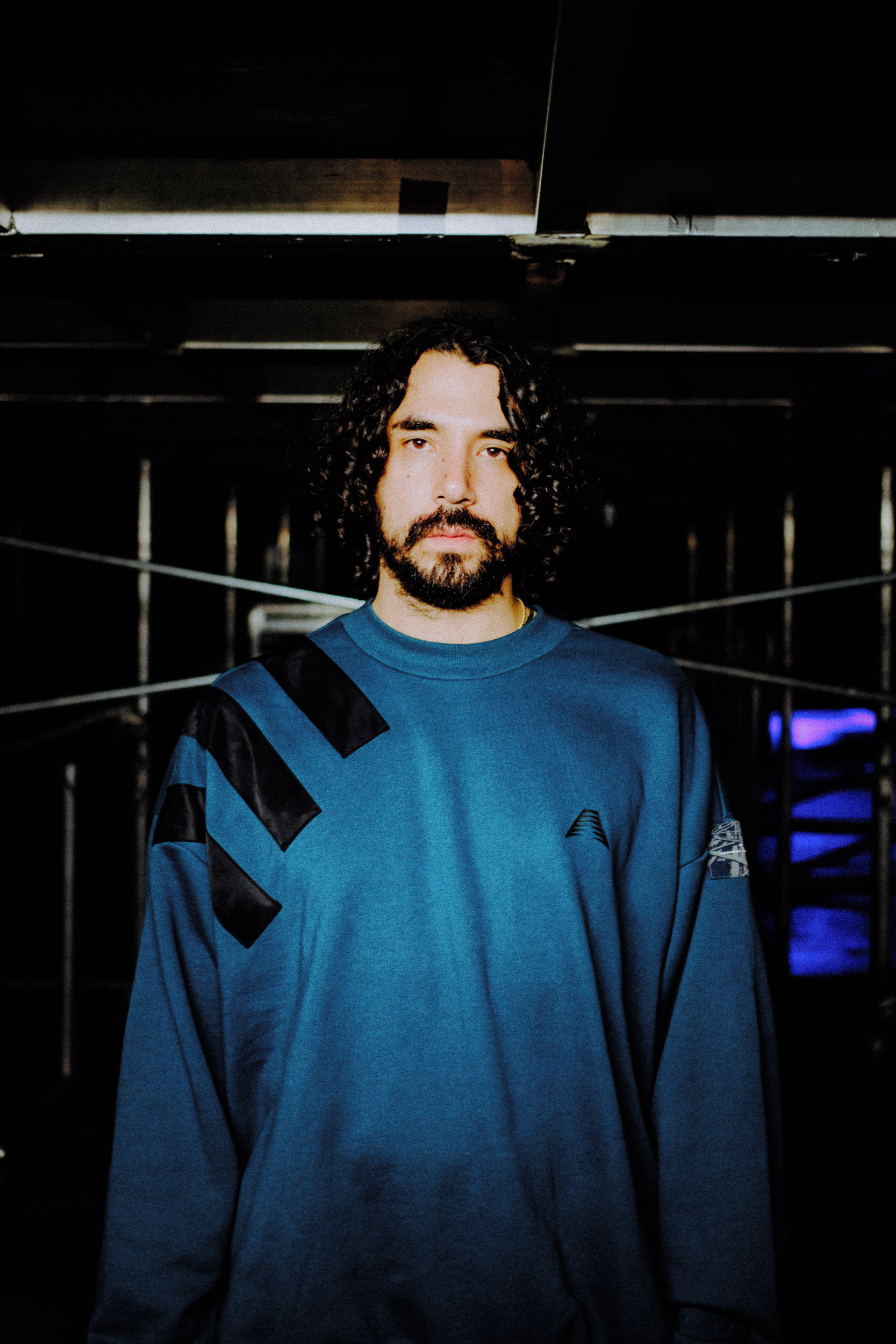
TINO el PINGÜINO inicia su desembarco internacional con ''KAOMOJIS''
Miércoles, 30 de Septiembre de 2026
Colombia
Noticias
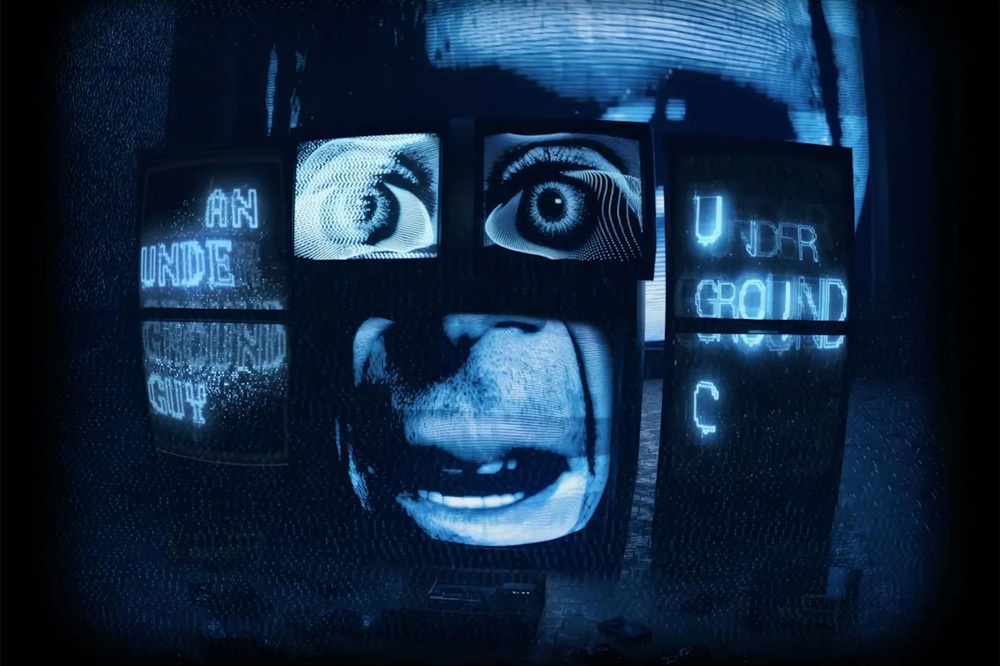
Mogwai e Iggy Pop unen fuerzas en nueva canción: 'Underground'
Miércoles, 30 de Septiembre de 2026
Colombia
Noticias
Fontaines D.C. presenta su nuevo single: 'Tongue'
Miércoles, 30 de Septiembre de 2026